
When war comes to the city: Urban wars and urban warfare
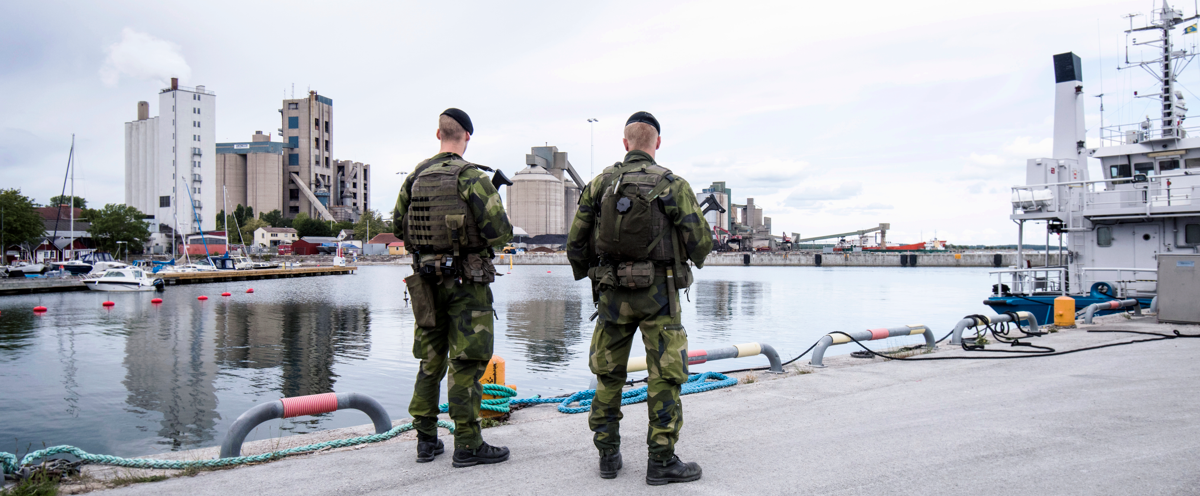
Can urban wars today be considered something new, given the long history of wars in and against cities? Why does cities often become targets in wars and violent conflicts? These are some of the questions addressed in this course that will take you to the forefront of research on urban war and urban warfare, and the implications thereof on urban life.
- Application opens:
- The course occasion is cancelled
- Education start:
- Spring semester 2027 is cancelled
- Scope:
- 7.5 credits
- Study mode:
- Campus
- Study period:
- 2027-03-29 - 2027-05-02
- Study pace:
- 100%
- Education cycle:
- Second cycle
- Language of instruction:
- English
- Course syllabus
What does the course lead to?
The course gives you tools to explain how the political, social, material and symbolic dimensions of the urban shape urban warfare and urban war. You will gain in-depth insight into current research on urban wars and urban warfare, as well as independently analyze and problematize historical and contemporary examples of urban wars and urban warfare. The knowledge is relevant for those who work in public activities with a focus on total defense, or in international contexts where war and conflict characterize urban societies.
Structure of the course
The course aims to support and challenge the student to build a comprehensive and deep knowledge of urban wars and urban warfare, in the sense of the history and contemporary relationship between, features of, and consequences of cities in/of war. A key focus of the course is the mutually constitutive relationship between cities and war, that is, how these phenomena have historically shaped each other and continue to do so in the contemporary era.
Based on current research in the field and in military thinking about cities and wars, the course addresses the following central questions:
- Can urban wars today be considered something new, given the long history of wars in and against cities?
- Why does cities often become targets in wars and violent conflicts?
- What characterises contemporary urban warfare?
- How do military organisations produce knowledge of the urban as a particular type of operational environment?
- What consequences can war in and against cities have in the short- and longer term, not least for the urban population?
- Can one kill a city?
Based on the above questions, and through lectures, self-studies and mandatory seminars, you will gain knowledge of theoretical approaches and premises for the study of urban war and urban warfare, and insights into historical and contemporary examples of urban war. During the course, a special emphasis is placed on dialogue and active learning, where you develop your ability to independently analyse the course's thematic.
Contact
If you have questions about the course, please contact the Study Counsellors.
You can reach us by e-mail: studievagledning@fhs.se
Other programmes and courses
Discover the Swedish Defence University

Education at the Swedish Defence University
Studies at Swedish Defence University - a both civil and military university - offers a completely different experience compared to most other universities.