
Research projects
Here you can find more information about ongoing research projects at the Swedish Defence University.
Research projects
- Technofascism, feminism and democracy
- Serious gaming for resilience screening
- The importance of psychological safety for safety and intention to leave
- Fortification Conditions: Human Perspective
- Impact of psychological strain on fire and rescue service personnel retention in wartime – experiences from Ukraine
- Follow-up of the Swedish Enlistment Battery (SEB)
- Recruitment, personnel retention capacity and selection system development
- Command supply
- Women in missions
- Defence and society
Stories

Secrets can push military enthusiasts over the line
How can a strong interest in military secrets become a security threat, even when the people involved have no intention of harming Sweden? David Bergman, an affiliated researcher at the Swedish Defence University, has investigated this question. His research now forms the basis of a new book.

She researches leadership that makes a difference in everyday working life
What makes managers effective, and what increases the risk of destructive leadership? These are some of the questions Susanne Tafvelin explores in her research. Since 1 March 2026, she has been a new professor at the Department of Leadership and Command & Control at the Swedish Defence University.

How great powers create and maintain their influence
Great powers use military, political and economic means to strengthen their influence over other countries and limit the presence of rivals. This is shown by Magnus Hilding Lundström in his doctoral thesis in political science at the Swedish Defence University.

Disinformation spreads through more than coordinated campaigns
Strategic disinformation on social media is not spread solely through planned and coordinated efforts. Ordinary users can also contribute to its dissemination without being part of an influence campaign. This is one of the findings of a new doctoral thesis from the Swedish Defence University.

How Sweden's food preparedness can be strengthened
How can Sweden secure access to food during crises and other serious disruptions? A new study from the Swedish Defence University and Lund University shows that emergency stockpiles or increased self-sufficiency are not enough. Strengthening food preparedness also requires public authorities, businesses and other actors to share a common understanding of the challenges, coordinate their objectives, and allocate costs and responsibilities.
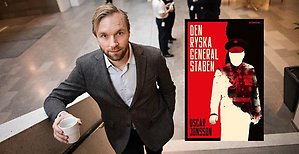
The role of the Russian General Staff in war and politics
How does the institution at the heart of Russia’s military leadership think? In his new book, The Russian General Staff , Oscar Jonsson, a researcher at the Swedish Defence University, examines the role of the General Staff in Russian warfare, military thought and politics.

Information influence lab aims to strengthen resilience
How can we become better at recognising and resisting misleading information? The new Information Influence Lab website makes research on information influence accessible to a wider audience. The initiative is led by researchers at the Swedish Defence University.
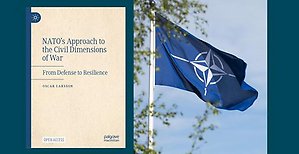
New book examines NATO's approach to civil defence over 75 years
Civil defence has been part of NATO’s deterrence since the Alliance’s early years. But views on the role of the civilian population have changed. In his new book, NATO’s Approach to the Civil Dimensions of War , Oscar Larsson traces developments from Cold War civil protection to today’s focus on resilience and hybrid threats.
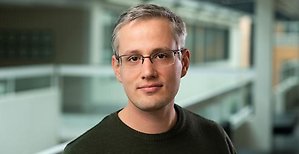
"A privilege to work deeply on a topic I really care about"
After serving in the Brazilian Armed Forces and humanitarian operations in conflict zones, Henrique Garbino turned to research. On 4 September 2026, he will defend his doctoral thesis, examining why some armed groups choose to use landmines while others show restraint.

Doctoral thesis sheds new light on restraint in war
Why do some armed groups use landmines extensively while others avoid them altogether? In his doctoral thesis, Henrique Garbino examines why armed actors choose to limit the use of violence.